 Flamengo Hub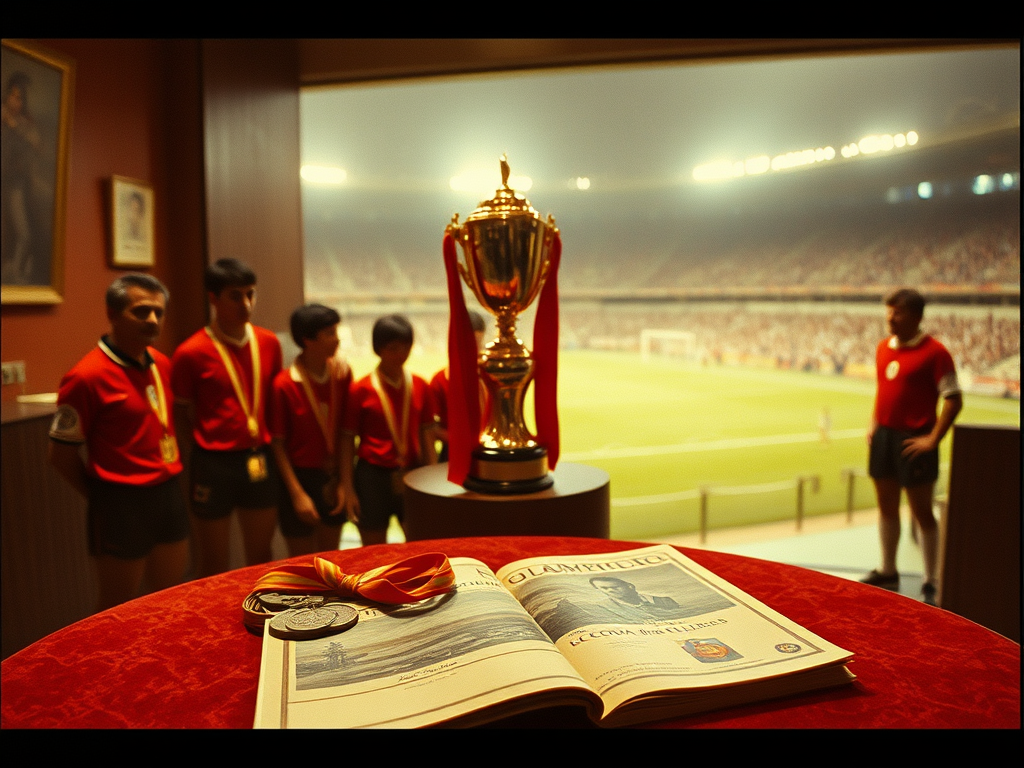
The year 1981 is a landmark in Flamengo's history, a club that has always been synonymous with passion and glory in Brazilian football. After a dazzling season in the Campeonato Brasileiro, where the team showcased engaging and effective football, Flamengo prepared for a challenge that would transcend national borders: the Intercontinental Cup.
The final, held on December 13, 1981, at the National Stadium in Tokyo, was against the mighty Liverpool, one of the most successful clubs in England. The anticipation was immense, and the Flamengo fans were eager to see if Mengão could bring home the coveted title. Flamengo took the field with a star-studded lineup, including the iconic Zico, who would be the soul of the team.
The match began with a dominant Flamengo, who soon took control of the game. Zico, in his brilliant form, played a crucial role by opening the scoring with a memorable free-kick goal that echoed in the hearts of the fans. The team displayed solid defense and incisive attack, controlling the actions and frustrating Liverpool's attempts to respond. Flamengo ended the first half in the lead, and confidence seemed to grow with every passing minute.
In the second half, Liverpool attempted to apply pressure, but the red-and-black defense, led by players like Mozer and Julio César, was well-positioned and determined to hold the lead. Flamengo, for its part, did not settle and continued to seek to extend the advantage. With a well-executed counterattack, the Rio de Janeiro team scored a second goal, sealing an epic triumph with a 3-0 victory that would be remembered forever.
Winning the Intercontinental Cup in 1981 was not just a sporting victory but a moment that united the red-and-black nation. Flamengo returned to Brazil as heroes, with fans celebrating in the streets of Rio de Janeiro, demonstrating their love and devotion to the club. This victory solidified Flamengo's status as one of the great clubs in the world, and the image of Zico lifting the trophy in Tokyo became iconic, eternalizing the achievement in the memory of all football enthusiasts.
More than four decades later, the victory of 1981 still resonates in the memories of fans and remains a symbol of what Flamengo represents in world football. It is proof that when it comes to Mengão, glory is never forgotten, and there is always hope for new achievements ahead.