 Flamengo Hub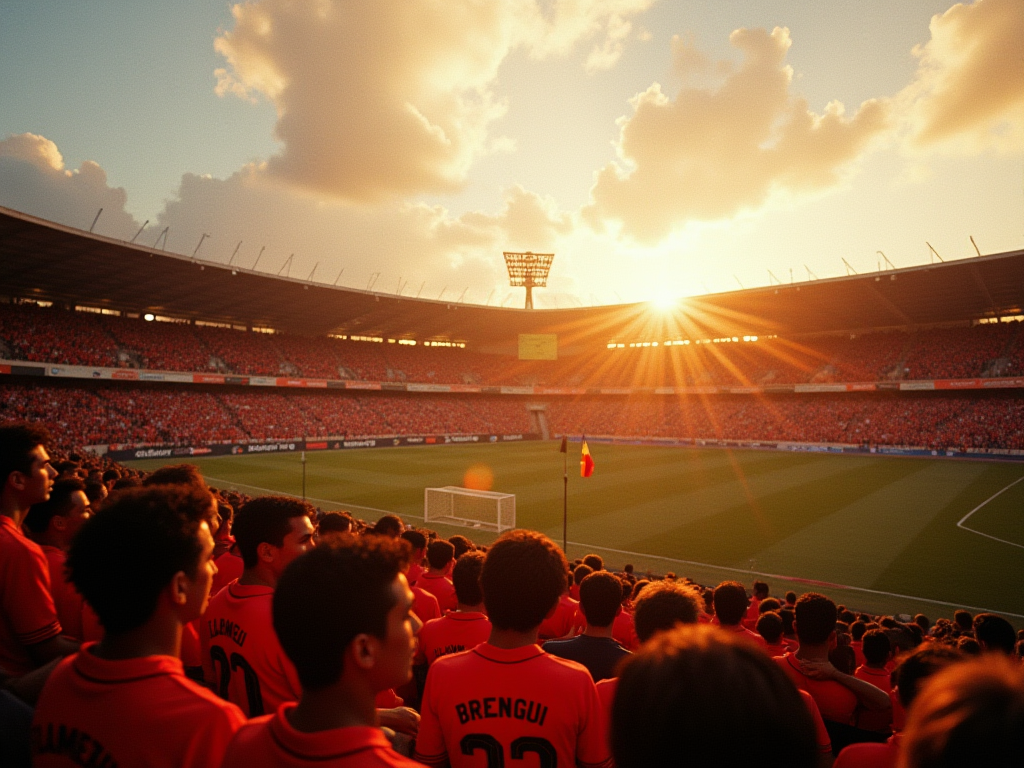
For any Mengão fan, the 1981 season stands as an unquestionable landmark of glory. It was the year when the team that enchanted Brazil under the maestro Zico, Júnior, Leandro, Adílio, and Andrade set out to conquer the continent. The Copa Libertadores was the missing trophy to crown a golden generation, a team that played attractive and effective football, led by the tactical genius Paulo César Carpegiani. But the path to "Glória Eterna" (Eternal Glory) would be anything but easy.
The opponent in the grand final was Cobreloa, a Chilean team with a reputation for being tough, physical, and relentless on their home turf. Far from the glamour and spotlight of South American giants, the miners from Calama were a force to be reckoned with, especially with the altitude in their favor and a playing style that gave no quarter to opponents.
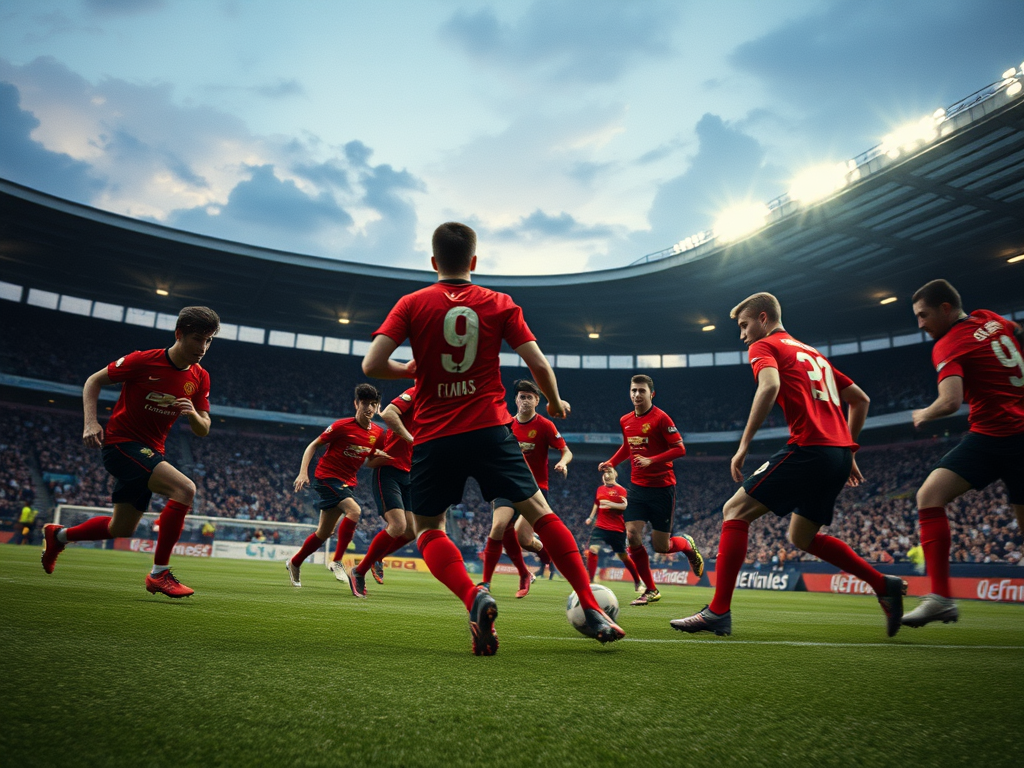
The first leg, played in a packed Maracanã, was a crimson-black spectacle. Flamengo, fueled by its passionate fans, gave no chances. With two goals from the "Galinho de Quintino," Zico, and one from Nunes, Mengão thrashed them 3-0, seemingly paving the way for a straightforward conquest. Confidence was high, but Chile held a trial by fire that would go down in the club's history.
The return match in Santiago was a separate chapter in the crimson-black saga. At the Estadio Nacional, Cobreloa showed its most combative, and above all, controversial side. The game was marked by an exaggerated violence from the Chileans, with harsh tackles and rough plays that bordered on savagery. A cowardly headbutt on Lico and an incident that left Adílio with a torn shirt and injuries set the tone for that night. Amidst the confusion and a permissive refereeing, Flamengo conceded a goal and lost 1-0, forcing a decisive third match. The trauma of that game, the feeling of having been cheated and assaulted, only increased the hunger for justice and victory.
Thus, the fate of America would be sealed in a third match, on neutral ground. The Estadio Centenario in Montevideo, the stage for so many glorious moments in South American football, was chosen for the tie-breaker. The pressure was immense, but the Flamengo squad, forged in the battles of the Campeonato Brasileiro and the individual talent of its stars, was ready for the challenge. It wasn't just for a title; it was for honor and recognition.
And it was there, in the mythical Centenário, that Flamengo's Golden Generation etched its name in history. Zico, once again, was the hero of the night. With a masterful performance, the number 10 opened the scoring with a perfect free-kick in the first half. Cobreloa sought an equalizer, but the crimson-black defense, led by Raul, Mozer, and Marinho, held firm. In the second half, in yet another play of pure genius, Zico sealed the victory with his second goal, securing a 2-0 scoreline.
The final whistle echoed as a cry of relief and celebration throughout Rio de Janeiro and Brazil. Flamengo, for the first time in its history, was champion of America. That conquest was not just a trophy; it was the confirmation that this team was, indeed, special. It opened the doors for global consecration against Liverpool and solidified Mengão's status as a giant, not only nationally but also internationally. The odyssey against Cobreloa, with its battles and its glory, remains vivid in the memory of every rubro-negro, a reminder of what it takes to achieve "Glória Eterna."