 Flamengo Hub
In 1980, Flamengo made history by winning their second Copa Libertadores, an achievement that not only elevated the club to a new level but also shaped the landscape of Brazilian football. Under the leadership of coach Paulo César Carpegiani, Mengão formed a stellar squad featuring icons like Zico, Andrade, and Júnior, who were not only exceptional players but also embodied the essence of being rubro-negro.
The campaign was marked by memorable matches and an attacking style that delighted fans. The final, played against Cobreloa from Chile, was an epic doubleheader where Flamengo crowned themselves champions after an exciting match that culminated in a 3-2 victory at Maracanã. The magic of Zico, who scored two goals in the final, further solidified his status as the club's greatest idol, intensifying his connection with the supporters.
However, the 1980 Libertadores victory was more than just a trophy; it was a revolution in Brazilian football. Flamengo, by winning, inspired an entire generation of young talents and ensured that national football gained international respect. This victory also elevated the club to a level of prestige, making Flamengo one of the giants of the South American continent.
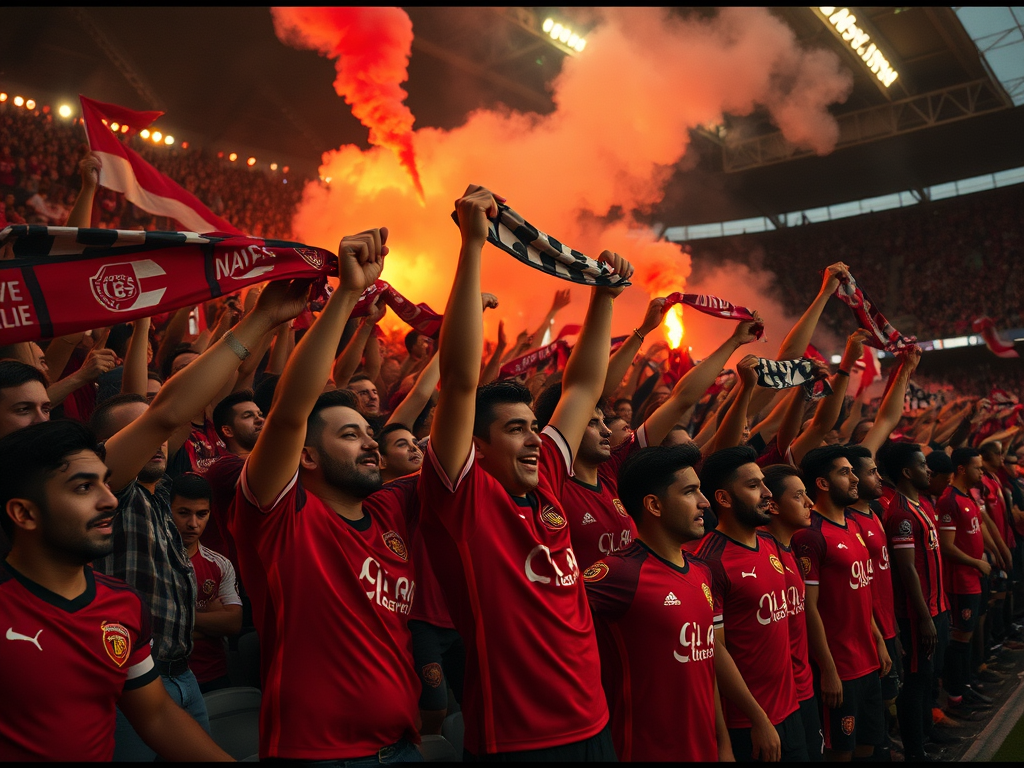
Moreover, the 1980 triumph served as a catalyst for Flamengo's continued success in the following decades. The club became a reference not only in terms of titles but also in playing style and talent development. The formation of players in their youth academy intensified, and the passionate and loyal fans united even more around the club, creating an unmatched atmosphere at Maracanã.
Today, as we look back, the 1980 Libertadores conquest is remembered not only as a triumph on the pitch but as a moment that defined Flamengo's identity and solidified its history. The Nação Rubro-Negra, which has always dreamed big, saw in that triumph a confirmation that great things were to come, and the passion for Mengão has only grown since then.