 Flamengo Hub
The 1980s was a golden period for Flamengo, and nothing symbolizes this era better than the figure of Zico. Born in 1953, Arthur Antunes Coimbra, known as Zico, not only became the club's greatest idol but also one of the best players in world football. His vision of the game, skill in free kicks, and precise passing revolutionized the way Flamengo played.
In 1980, Zico had already established himself as the team's star, but it was in 1981 that the true magic happened. Flamengo won the Copa Libertadores, a feat that had eluded the club until then. In the final, Mengão faced Cobreloa from Chile in a series of electrifying matches that remain etched in the memories of fans. Zico shone, scoring decisive goals and leading the team with his grit and passion.
But the story didn't stop there. The victory in the Libertadores secured Flamengo a spot in the World Club Championship, where they faced Liverpool. The 3-0 victory, with a goal from Zico, not only brought the title to Brazil but also established Flamengo as one of the greatest clubs in the world at that time. This achievement was a turning point and united the fans even more around Mengão.
Zico's influence extended beyond the pitch. He became a symbol of hope and unity for fans, especially in difficult times. His presence on the field inspired a generation of young players who dreamed of wearing the sacred mantle of Flamengo. The impact of his career is still felt today, with Zico frequently mentioned in discussions about the greatest players in Brazilian football history.
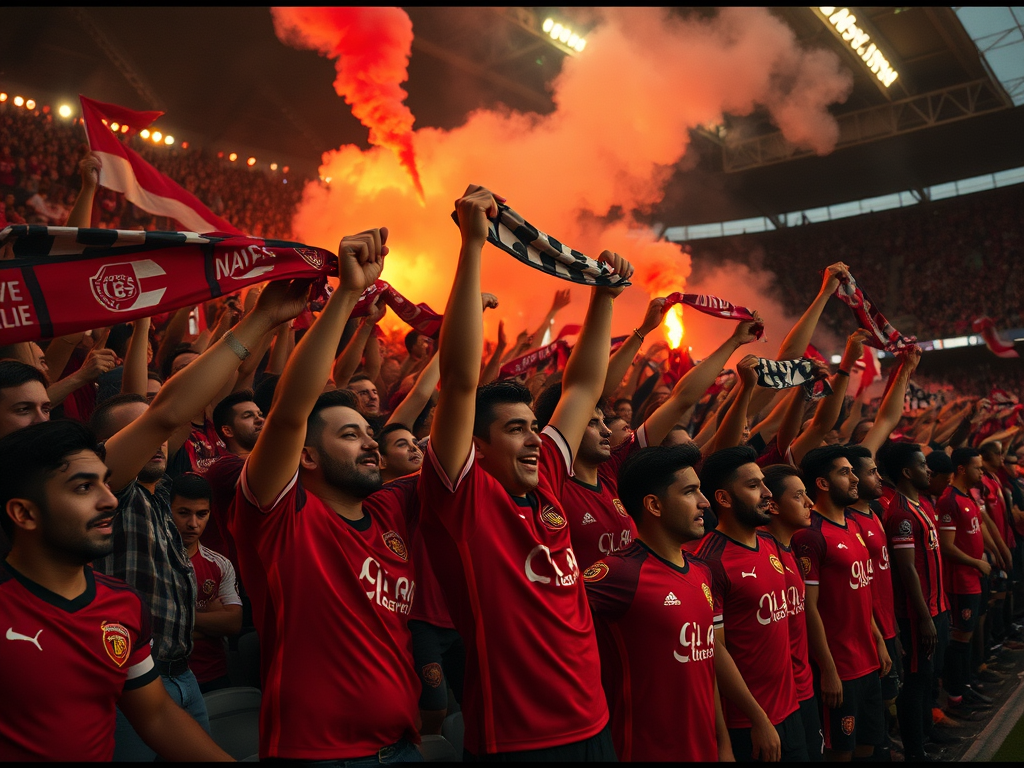
The Zico Era was not just about titles and statistics; it was a cultural shift within the club. The way Flamengo played and presented itself to the world changed radically. The victories on the field reflected an increase in fan passion, which became ever more massive and fervent.
Today, as we look back, the Revolution of 1980 and Zico's rise are remembered as one of the most glorious chapters in Flamengo's history. The legacy left by Zico is forever celebrated in the hearts of fans, reaffirming that Mengão is not just a club, but a true passion that transcends generations.