 Flamengo Hub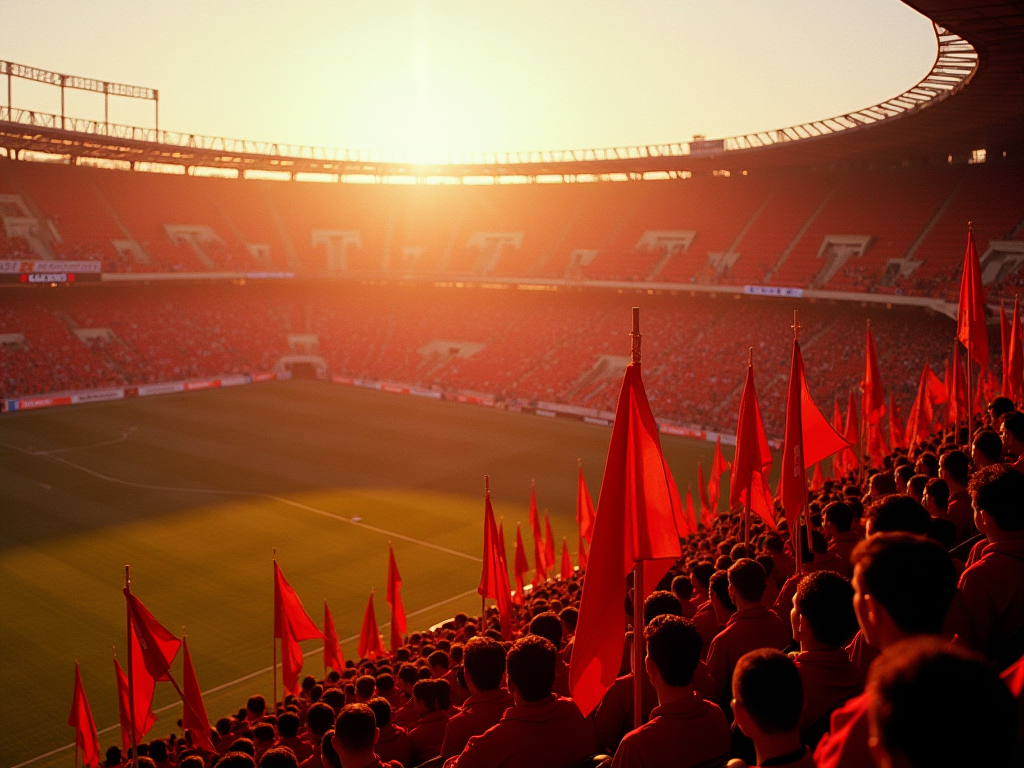
The journey begins long before the kickoff. For the Red-Black Nation, a derby is not just a game; it's a pilgrimage, a rite of passage. From the first hours of the day, a buzz fills the streets of Rio de Janeiro. Jerseys with the sacred crest multiply, flags wave from cars and windows, and the air vibrates with anticipation. It is the antechamber of the Maracanã, our sacred stage.
Arriving at the Maracanã on derby day against Fluminense, our eternal rival, is like being absorbed by a current of passion. The access points become human rivers, all flowing towards the same destination. The smell of popcorn and grilled skewers on the sidewalk mixes with the crowd's sweat and palpable adrenaline. The chants already echo, still muffled by the concrete structures, but charged with an energy that only Mengão inspires. "Go, Flamengo! Let's be champions!" It's a mantra that spreads, a vocal warm-up for the symphony to come.
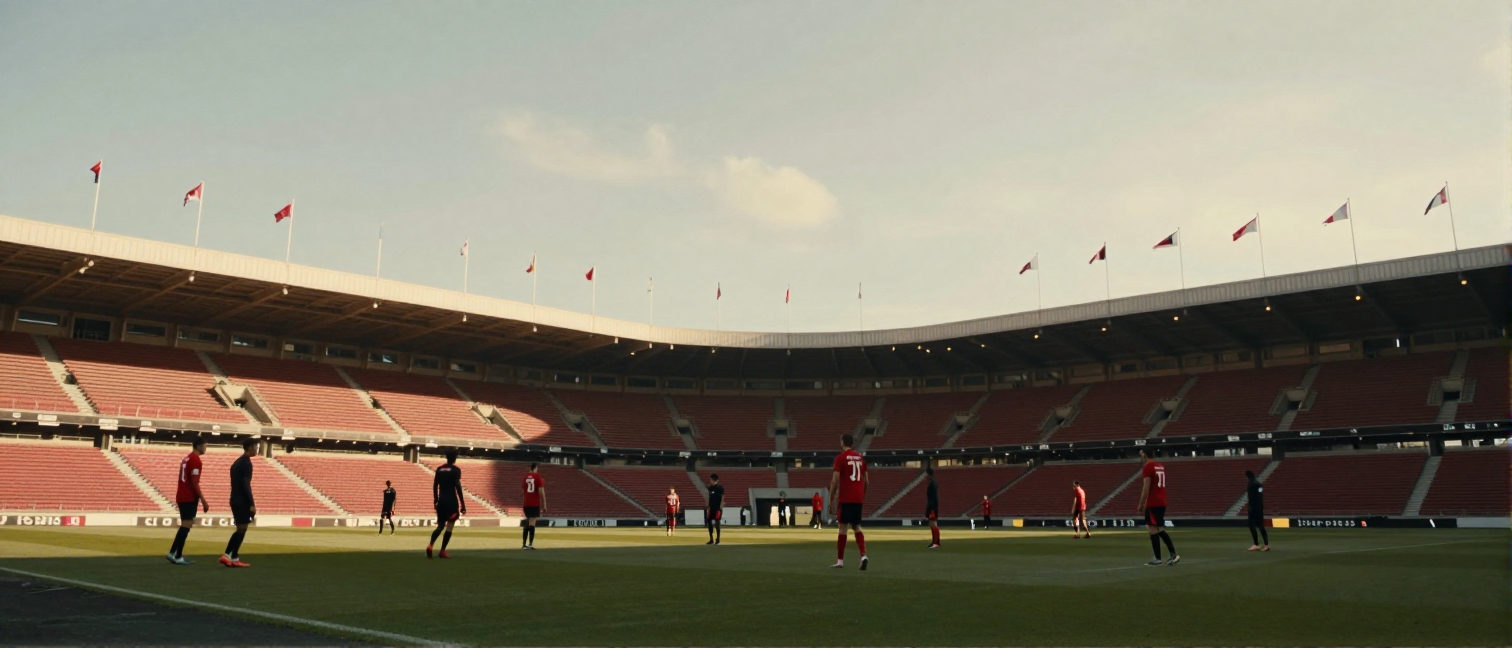
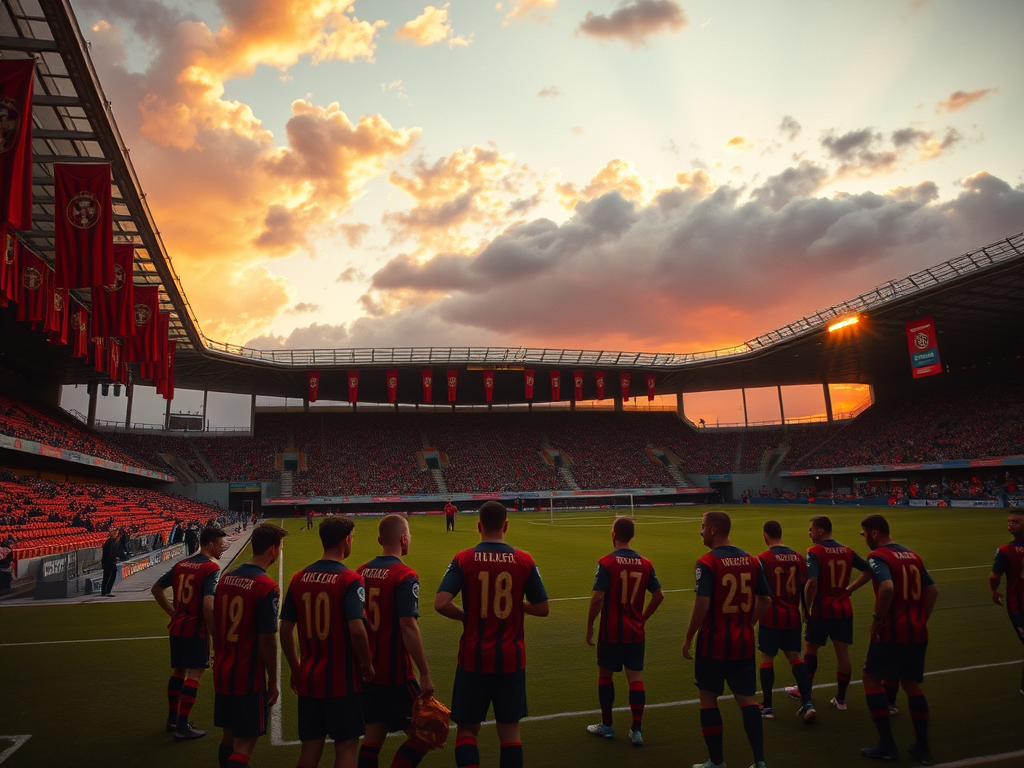
Entering the stands is like diving into a red-black sea. The view of the pitch, impeccable, contrasts with the vibrant mass surrounding it. The sacred manto (jersey) is worn by thousands, creating a living mosaic of faith and devotion. The bandeirões (large flags) unfurl, covering entire sections, with phrases like "Aqui é Flamengo" (Here is Flamengo) and the image of the Urubu (Vulture), our mascot, inflated by the wind and the voice of the crowd. With every Mengão goal, and especially in a derby, the Maracanã explodes. It's not a shout; it's a volcanic eruption. People embrace, jump, tears stream down. The energy is so intense it feels like the concrete trembles.
The Charanga Rubro-Negra (Red-Black Band) is the uninterrupted soundtrack of our soul. Its instruments dictate the rhythm, and the torcida (supporters) follow, conducted by an invisible maestro, the very red-black heart. Flamengo's anthem, sung at full lungs by over sixty thousand voices, transcends the melody; it becomes a collective prayer, a vow of unconditional love. And when "Maracanã é Nosso!" (Maracanã is Ours!) erupts, it is a declaration of possession, of belonging, that there, in that temple, we are the law. The famous "pulo" (jump) of the supporters is a celebration that literally makes the Maracanã sway, a seismic wave of joy and unity.
Every gesture, every chant, every shout in the Maracanã is not random. They are sacred rituals, passed down from generation to generation, strengthening the identity of the red-black supporter. The wait for the team to enter the field, the cry of "Vamooo, Mengooo!", the deafening boo for the opponent, the tension in crucial plays. All this constitutes the liturgy that connects us. In a derby, everything is amplified. Victory is sweet, defeat, a sharp pain, but the experience, that is eternal. It is proof that being Flamengo is more than just supporting; it is living, feeling, and breathing the club, in every fiber of the soul. It is the Nation in its purest and most potent state.