 Flamengo Hub
The 1980s was a golden era for Flamengo, but nothing compares to the epic triumph at the Club World Cup in 1981. Under the leadership of coach Cláudio Coutinho, Mengão formed a team that was a true dream for any fan, filled with stars like Zico, Júnior, and Leandro. In the final, held in Tokyo, Flamengo faced the British side Liverpool, a matchup that promised to be a great challenge for Brazilian football.
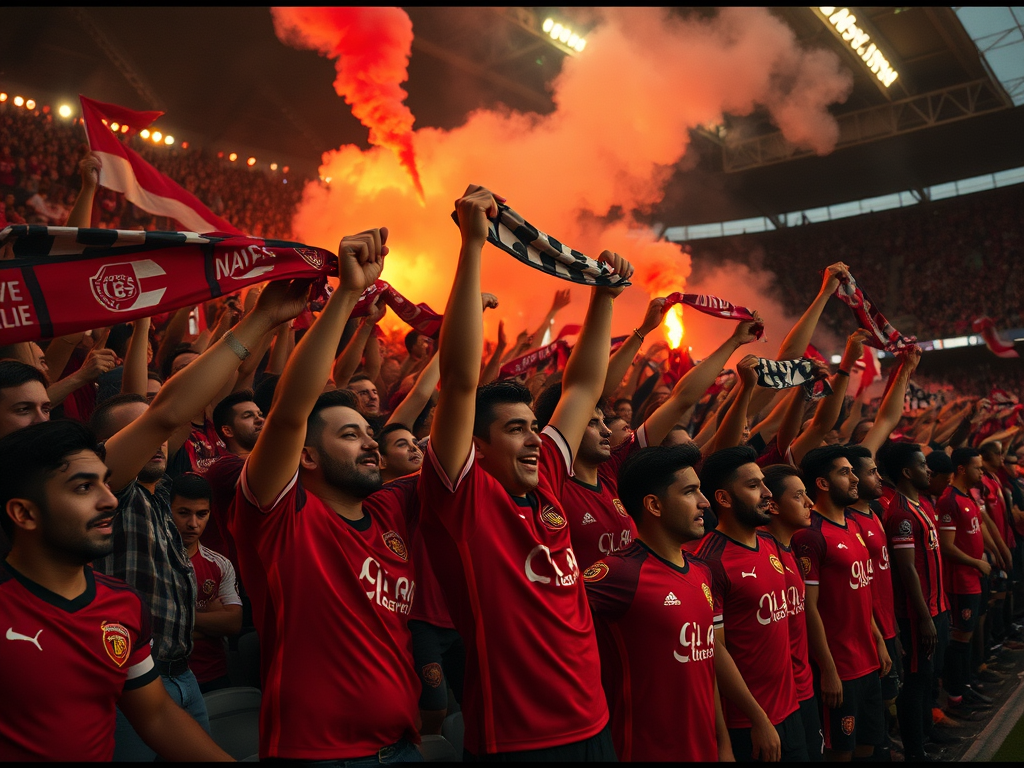
The match took place on December 13, and the atmosphere was electrically charged. The stadium was packed with Brazilian fans who traveled thousands of kilometers to support their team, and the anticipation was palpable. Flamengo took to the field with confidence, and just 14 minutes in, Zico opened the scoring with a masterful free kick. What followed was a display of sublime football, with Mengão dominating the match, showcasing the skill and technique that made them one of the most respected clubs in the world.
In the second half, Flamengo continued to press, and with another goal from Nunes, the victory was solidified with a 3-0 scoreline. The triumph not only brought the title but also established a new era for Brazilian football, demonstrating that Brazil could compete on equal footing with European football powerhouses. Flamengo became the first Brazilian club to win the world title, and the celebrations were historic, with players and fans rejoicing like a true nation.
This triumph in 1981 is not just a glorious memory but also a symbol of the passion and greatness of Flamengo. The team not only won a title but also left a legacy that inspires generations of fans and players that came after. The World Club Cup of 1981 remains one of the most emblematic moments in Mengão's history, a milestone exemplifying the strength and soul of the carioca club, forever remembered by its supporters.
The impact of this victory endures to this day, with many fans reminiscing fondly about that unforgettable day. Flamengo is not just a club; it is a feeling, a passion that transcends time, and the World Cup of 1981 is an indelible part of Mengão's history.