 Flamengo Hub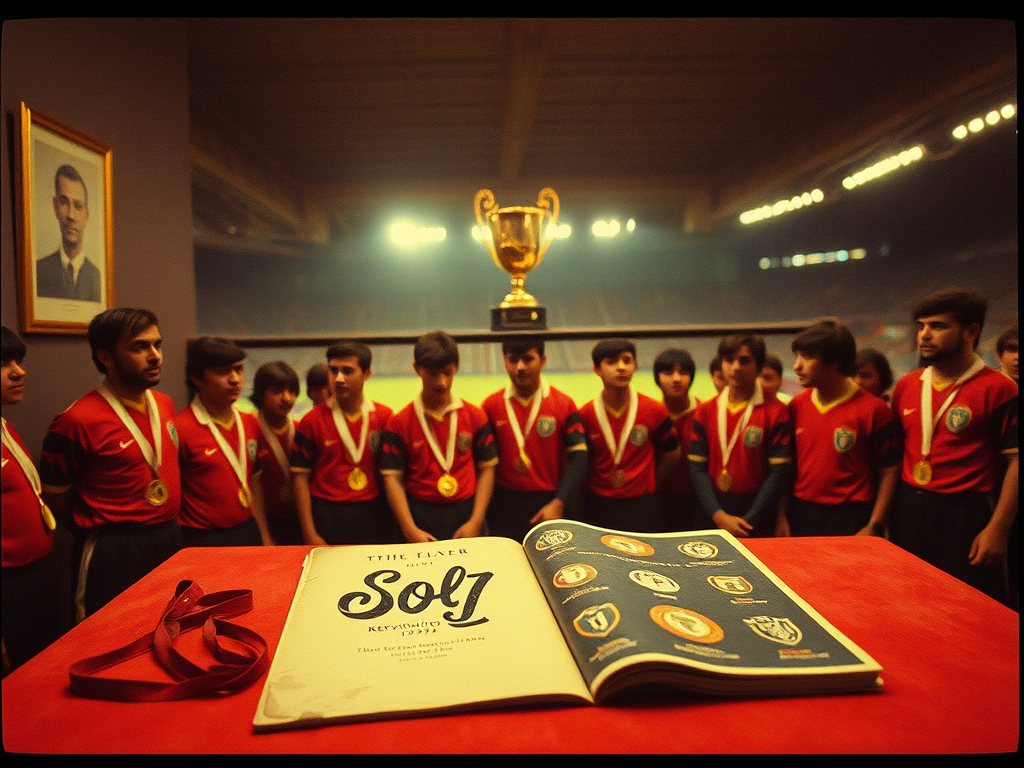
The Copa União of 1987 is one of the most controversial chapters in Brazilian football history and undoubtedly a pivotal moment for Flamengo. The tournament was marked by a divide among Brazilian clubs, resulting in a parallel championship that sparked debates and legal disputes that still resonate today.
Flamengo, under the leadership of coach Paulo César Carpegiani and featuring stars like Zico, Bebeto, and Júnior, entered the competition with high expectations. However, the scenario was far from peaceful. The CBF (Brazilian Football Confederation) decided that the competition that year would be divided into two modules: the Green Module and the Yellow Module. Flamengo, alongside other major clubs, was placed in the Green Module, while others, such as Sport, were allocated to the Yellow Module.
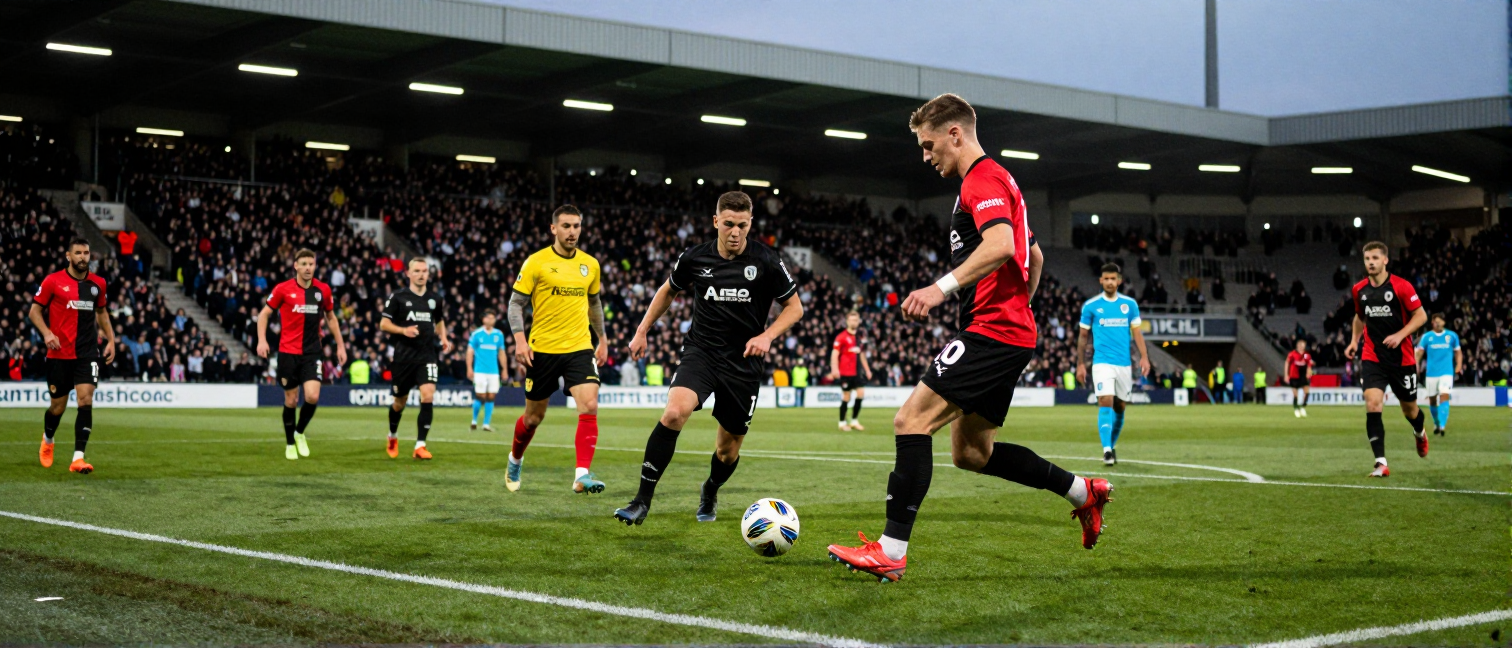
The competition was fierce and culminated in a showdown between Flamengo and Internacional in the final of the Green Module, where Mengão showcased its strength by defeating the gaucho team. However, the real controversy arose when the CBF decided that the champion of the Green Module would face the champion of the Yellow Module to determine the true Brazilian champion. Sport, having won the Yellow Module, prepared for this confrontation, but Flamengo refused to participate, arguing that it had already claimed the title in its own bracket.
Flamengo's decision to not recognize the title from the CBF and its claim that it was the true Brazilian champion sparked a conflict that dragged on for years. The rubro-negra team was eventually recognized by the CBF as champions in 1992, but many still consider the Copa União a peculiar tournament, a sort of "real cup" that challenged the authority of the confederation.
The impact of the Copa União of 1987 goes far beyond trophies. This tournament shaped Flamengo's identity and the relationship between the fans and the club. Flamengo became a symbol of resistance and a fight against the injustices of the system, reflecting the passion and determination of its supporters. The phrase "Flamengo is a state of mind" has never made more sense than during that time, as the club became synonymous with overcoming and grit.
The legacy of the Copa União of 1987 remains alive among fans. The rivalry with Sport intensified, and the pride of the rubro-negra identity gained new dimensions. For many, this was not just a battle for a title but a struggle for the dignity of Brazilian football and for the tradition of a club that has always stood out for its rich and vibrant history.