 Flamengo Hub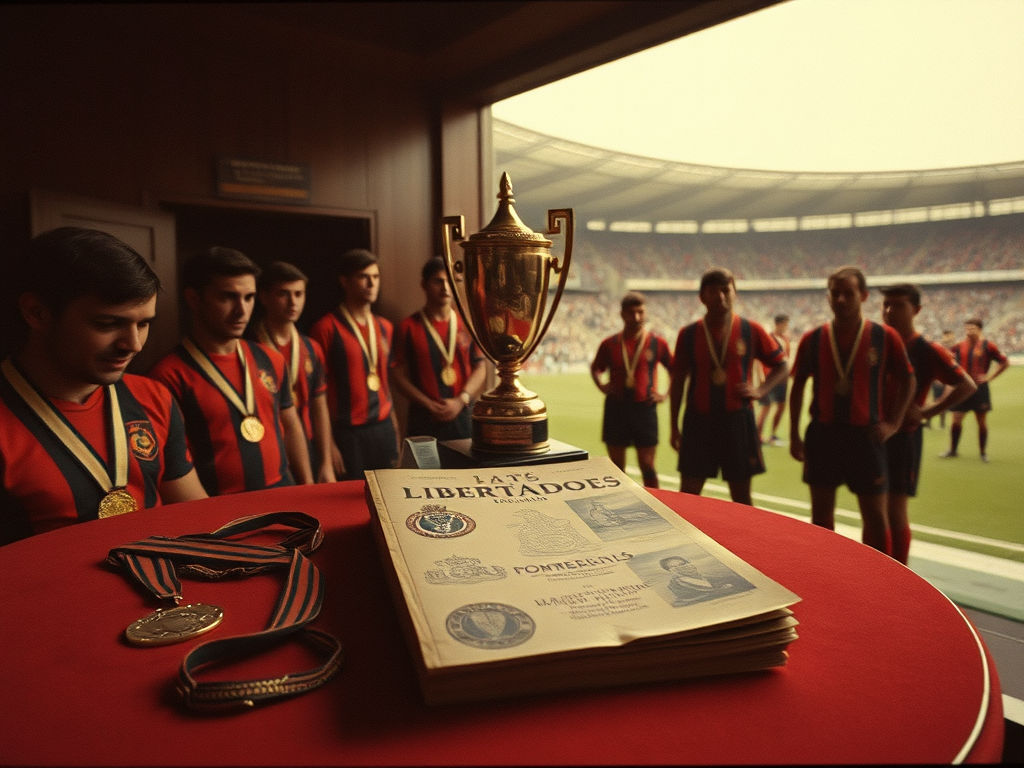
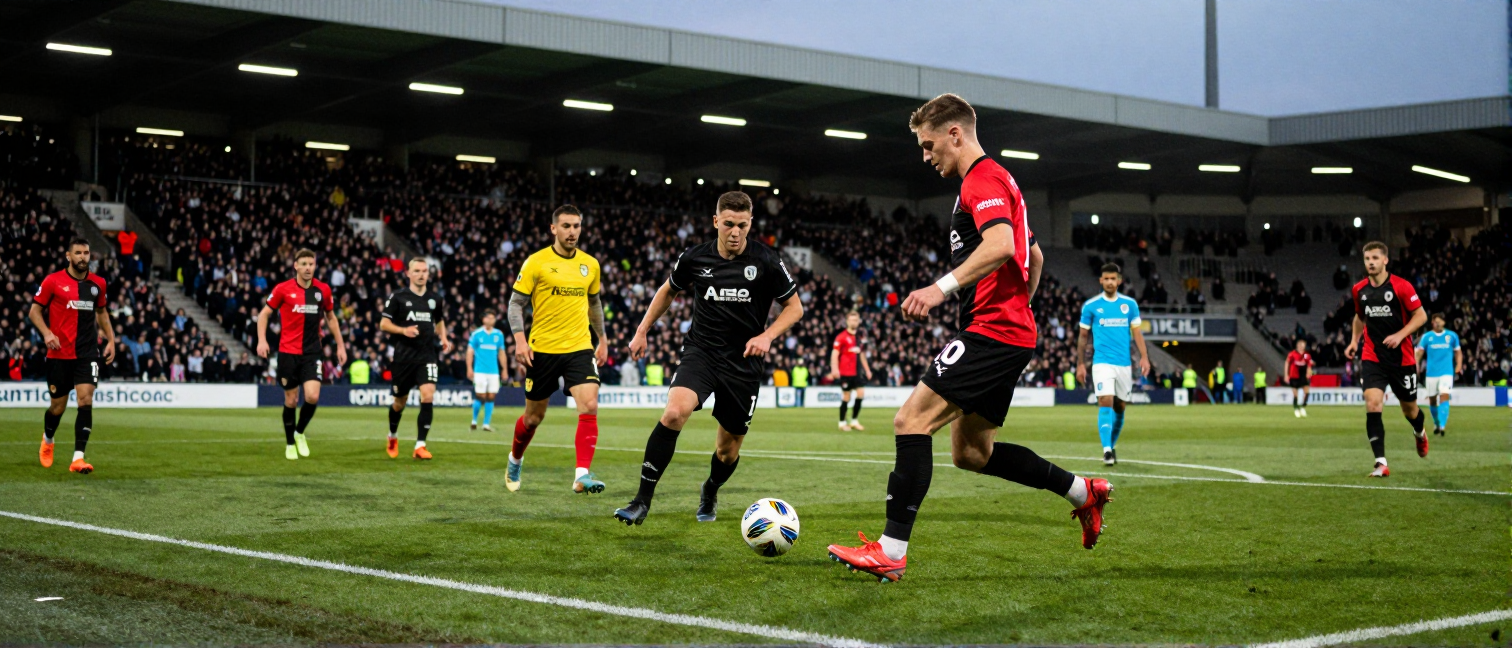
Flamengo's journey in the 1981 Copa Libertadores is fondly and reverently remembered by fans. That year's tournament was marked by twists, challenges, and above all, by the resilience of Mengão, which established itself as one of the great clubs of South America.
During the group stage, Flamengo showcased its strength by defeating opponents with engaging and aggressive football. However, the true test of fire came in the knockout stages. In the semifinals, Flamengo faced the powerful Atlético Mineiro, a clash that promised to be an epic battle. After a tense match that ended in a draw, the decision went to penalties, where Flamengo, led by a young and promising Zico, did not hesitate and advanced to the final.
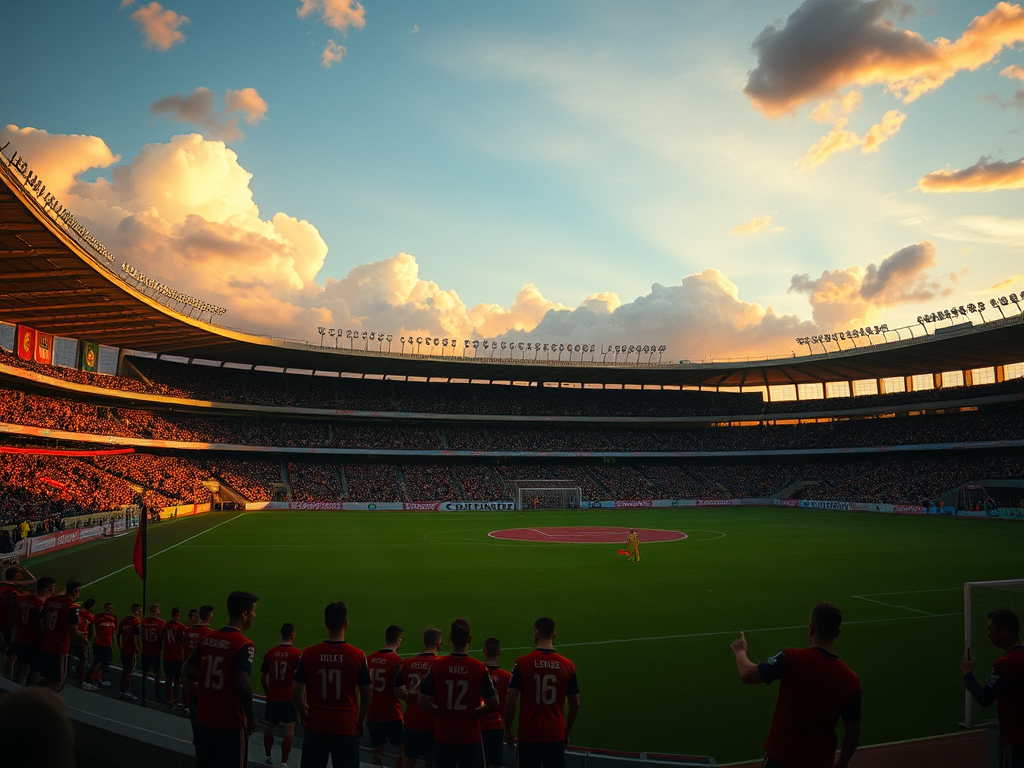
The Libertadores final was a spectacle in itself, held in a packed Maracanã, with the red-and-black fans creating an electrifying atmosphere. The opponent was Cobreloa, a Chilean club that had already shown its strength in previous competitions. In the first leg, Flamengo was surprised and lost 2-1. For many, the defeat brought feelings of despair and uncertainty, but Mengão demonstrated that one should never underestimate its spirit.
In the return leg, held on July 9, 1981, Flamengo took to the field determined to reverse the situation. With enchanting football and an inspired Zico, Mengão not only recovered from the previous defeat but made history by defeating Cobreloa 3-0, winning their first Libertadores. Zico's goal that opened the scoring is considered one of the most memorable of the competition, solidifying his status as one of the club's greatest idols.
This conquest was not just a trophy on the shelf; it was an affirmation of the red-and-black identity and proof of Flamengo's ability to rise in the face of adversity. The victory in the 1981 Libertadores not only put Flamengo on the map of South American football but also solidified its fan base, which became one of the most passionate in the world.
Today, as fans remember this great comeback, they feel a wave of emotion and pride. The story of 1981 is a powerful reminder that even in the face of defeat, the spirit of Mengão will always shine. It is a story that continues to inspire new generations, showing that Flamengo's greatness lies not only in its trophies but in the hearts of its supporters.